Category: Medication Lists

Practical ways to record and update medicine information.

  • Welcome to Kaiee Group: Medication Organization and Pharmacy Questions

    Organizing medication information

    Clear tools for organizing medication information and preparing better questions

    Kaiee Group is an independent consumer health-literacy publication. It is not a pharmacy, medical practice, or continuation of the business that previously used this domain. The site does not diagnose conditions or tell readers to start, stop, or change medicine.

    Practical starting points

    • Build one medication list that is easy to update.
    • Prepare documents and questions for a pharmacy conversation.
    • Keep prescription, over-the-counter, vitamin, and supplement information together.
    • Use licensed professionals and official medicine information for decisions.

    Medical disclaimer

    Content is general education for adults and family caregivers, not medical advice. Never start, stop, split, combine, or change the dose or timing of medicine based on this website. Follow the label and instructions from your licensed professional.

    For urgent symptoms, suspected poisoning, overdose, or a severe reaction, call local emergency services or an appropriate poison-control service immediately.

  • How to Make a Medication List You Can Actually Keep Updated

    How to Make a Medication List You Can Actually Keep Updated

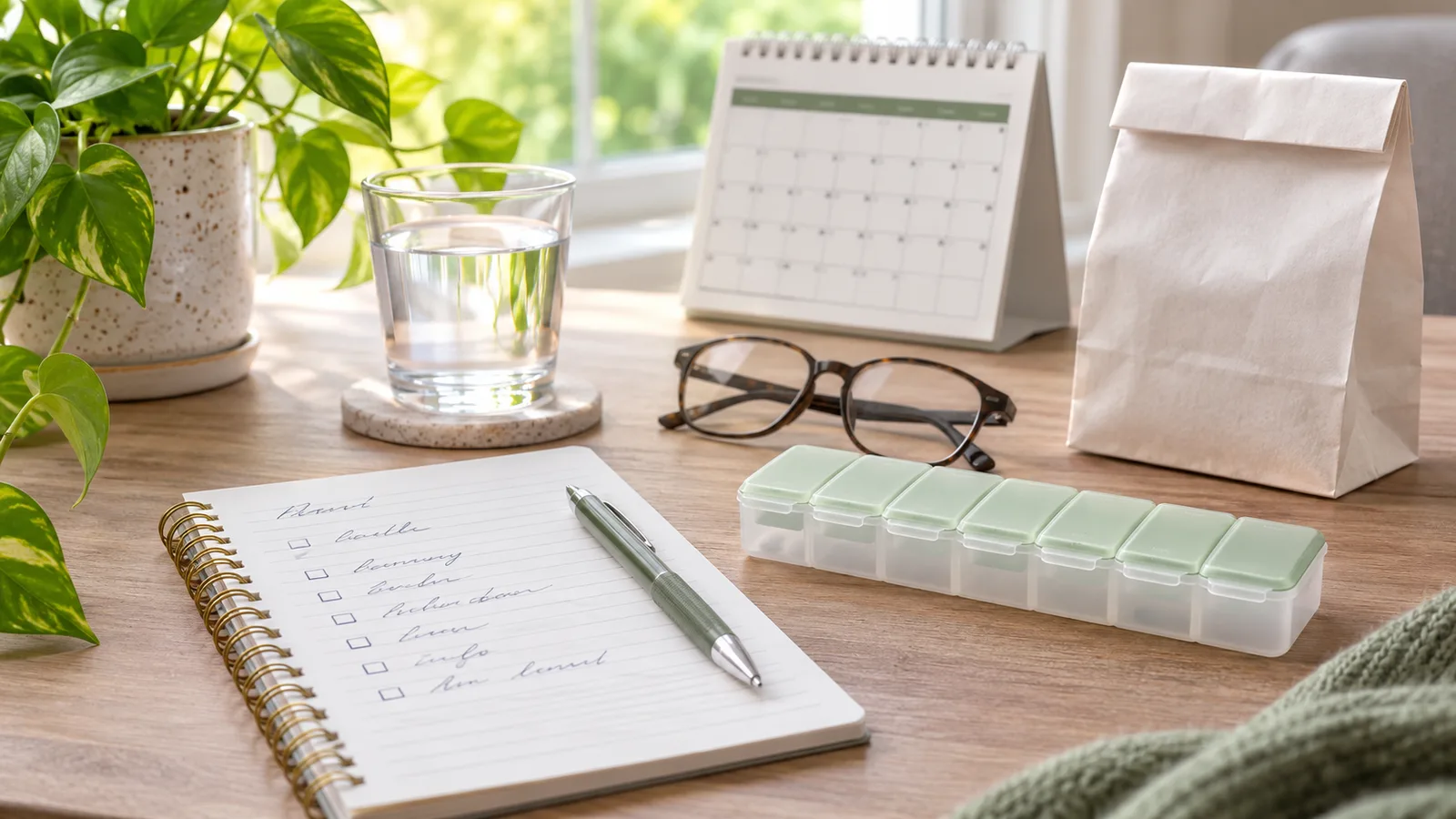
    Medication list and organizer

    A medication list is useful only when it is accurate, easy to find, and simple to update. The U.S. Food and Drug Administration recommends including prescription medicines, over-the-counter drugs, vitamins, and supplements in one record.

    Choose one main list

    Use paper, a notes app, spreadsheet, or health-provider form. The format matters less than having one authoritative version. If you keep paper and digital copies, choose which is the master.

    Record the details professionals need

    • Brand and generic name, if known
    • Strength shown on the label
    • The amount and times you actually take it
    • The reason it is used and who prescribed it
    • Dates started and stopped

    Also list allergies, serious past reactions, emergency contacts, and the preferred pharmacy. Include medicines used only occasionally and mark them as needed.

    Include nonprescription products

    Pain relievers, cold medicines, sleep aids, vitamins, herbal products, and supplements belong on the same list because they matter when professionals check for duplication, side effects, or interactions.

    Update at a trigger point

    Update the list whenever there is a new prescription, dose change, discontinued medicine, new allergy, or hospital visit. Bring the list and containers to a pharmacist or clinician when a full review is needed. Never change a dose because records look inconsistent.

    Carry a copy with an insurance card or save an offline version on the phone. A short maintained list is safer than a detailed document that is rarely updated.

    If you maintain a list for someone else, our family caregiver organization guide explains how to assign updates, refill tasks, and pharmacy questions without changing the prescribed plan.