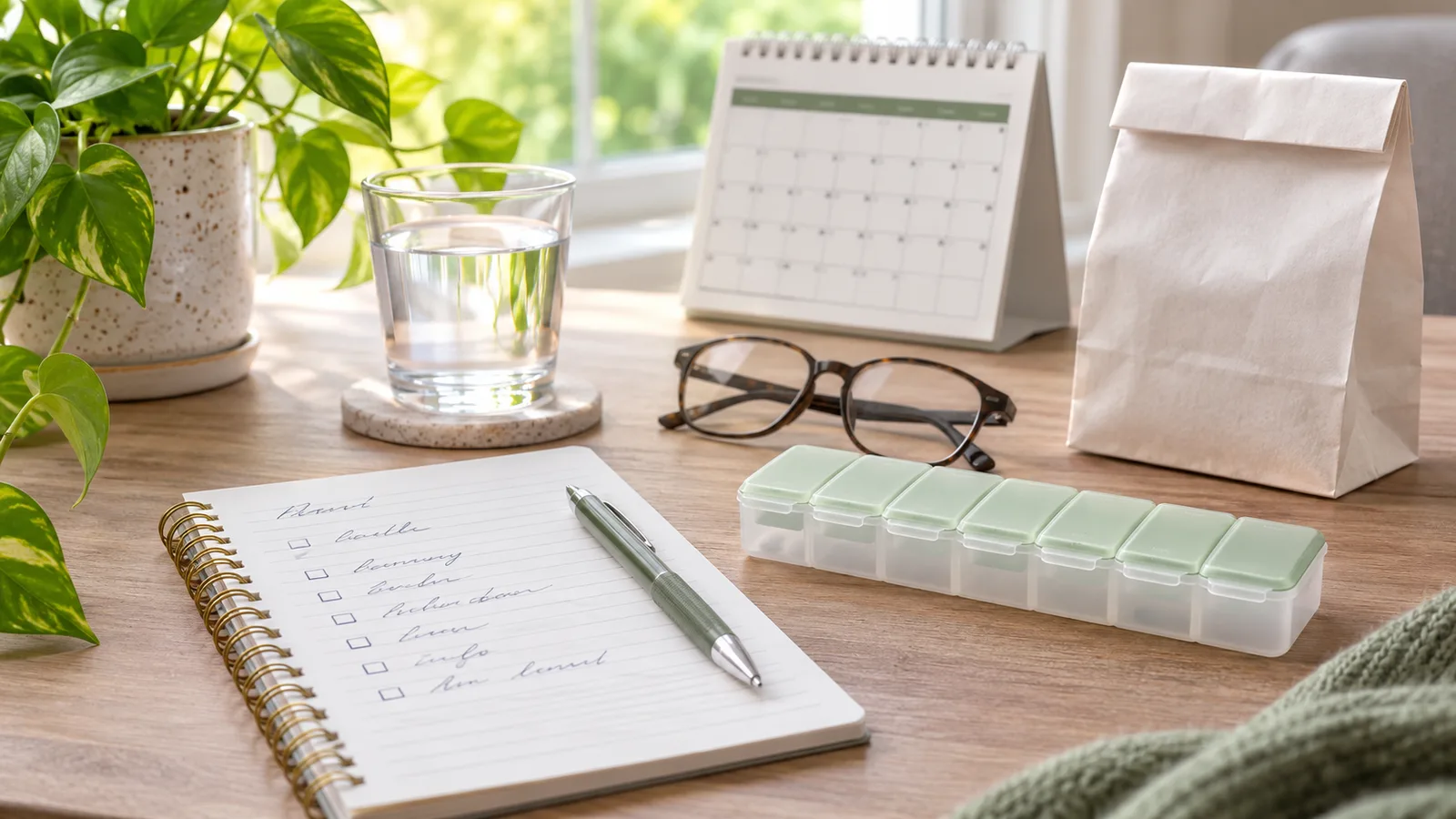
Category: Pharmacy Visits

Preparing questions and records for conversations with a pharmacist.

  • Welcome to Kaiee Group: Medication Organization and Pharmacy Questions

    Organizing medication information

    Clear tools for organizing medication information and preparing better questions

    Kaiee Group is an independent consumer health-literacy publication. It is not a pharmacy, medical practice, or continuation of the business that previously used this domain. The site does not diagnose conditions or tell readers to start, stop, or change medicine.

    Practical starting points

    • Build one medication list that is easy to update.
    • Prepare documents and questions for a pharmacy conversation.
    • Keep prescription, over-the-counter, vitamin, and supplement information together.
    • Use licensed professionals and official medicine information for decisions.

    Medical disclaimer

    Content is general education for adults and family caregivers, not medical advice. Never start, stop, split, combine, or change the dose or timing of medicine based on this website. Follow the label and instructions from your licensed professional.

    For urgent symptoms, suspected poisoning, overdose, or a severe reaction, call local emergency services or an appropriate poison-control service immediately.

  • What to Bring to a Pharmacy Consultation

    What to Bring to a Pharmacy Consultation

    A useful pharmacy conversation starts before you reach the counter. Bringing accurate records lets the pharmacist spend less time reconstructing your history and more time answering important questions.

    Bring a current medication list

    Include prescriptions, over-the-counter products, vitamins, supplements, strengths, and the way you actually take each item. Add allergies and serious past reactions. The FDA’s medicine-use guide encourages consumers to show the list to doctors, nurses, and pharmacists.

    Bring containers or clear photos

    The original label can clarify the exact product, strength, prescriber, fill date, and directions. If carrying every container is impractical, take clear photos of the front and pharmacy label and keep personal information secure.

    Write questions before the visit

    • What is this medicine for and how should I take it?
    • What should I do if I miss a dose?
    • Which foods, drinks, supplements, or other medicines should I discuss?
    • Which side effects require prompt help?
    • Does it need special storage?

    Share practical constraints

    Mention difficulty swallowing, opening containers, reading labels, remembering doses, paying for a prescription, or reaching the pharmacy. Do not split, crush, or open a product without checking first.

    Take notes

    Write instructions in plain language and repeat them back. Before leaving, confirm that the name and directions on the label match what was discussed. For suspected overdose, poisoning, or a serious allergic reaction, contact emergency services or poison control immediately.

    When several relatives help, use the caregiver medication organization guide to keep one current list and a clear record of who will follow up with the pharmacy.